Asnæs Vildmark
About Asnæs Wilderness
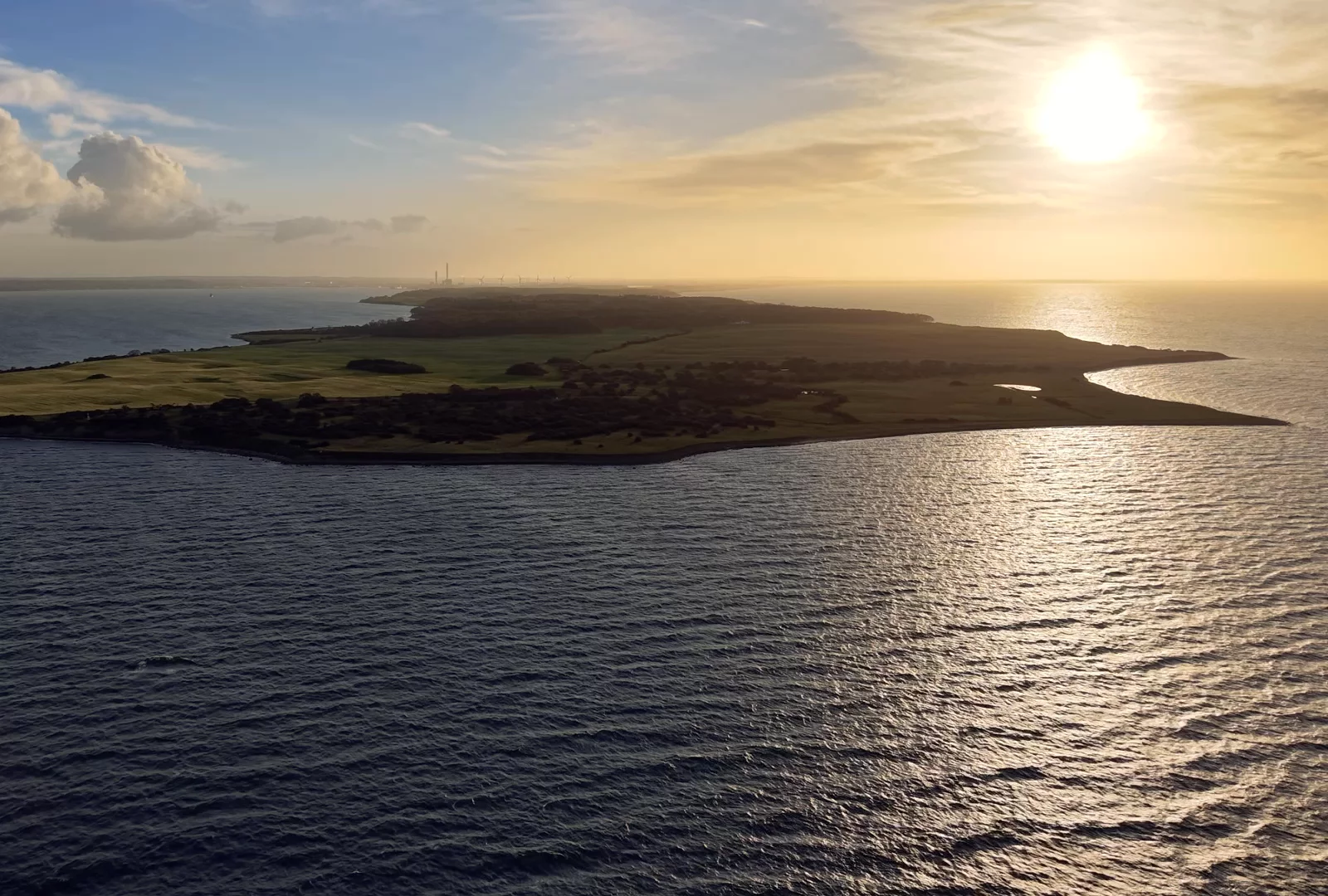
An exceptional coastal moraine landscape with dramatic sea cliffs, rolling hills, and nature shaped by the dry, warm Great Belt climate.
Where organic farming once took place, the landscape will now be allowed to develop into a wilderness with untouched forest, grasslands, scattered scrub, and new wetlands. The undulating moraine terrain and the dynamic cliffs create unique conditions for a rich and varied natural environment.
The hilly landscape, combined with the — by Danish standards — dry and warm “Great Belt climate,” creates habitats for a range of rare species typically found further south. Species that are expected to move northward with climate changes.
Nature and Landscape
Coastal landscape with threatened species and rare plants
Asnæs Wilderness contains a coastal moraine landscape with forest, grasslands, scrub, and temporary wetlands. The combination of warm coastal slopes, open areas, and numerous small wetlands creates habitats for a wide range of rare species.
The outer parts of the peninsula are designated as Natura 2000 to protect the particularly valuable habitat types and the species associated with the dry and warm grasslands.
Asnæs Wilderness is home to many rare and threatened species, including:
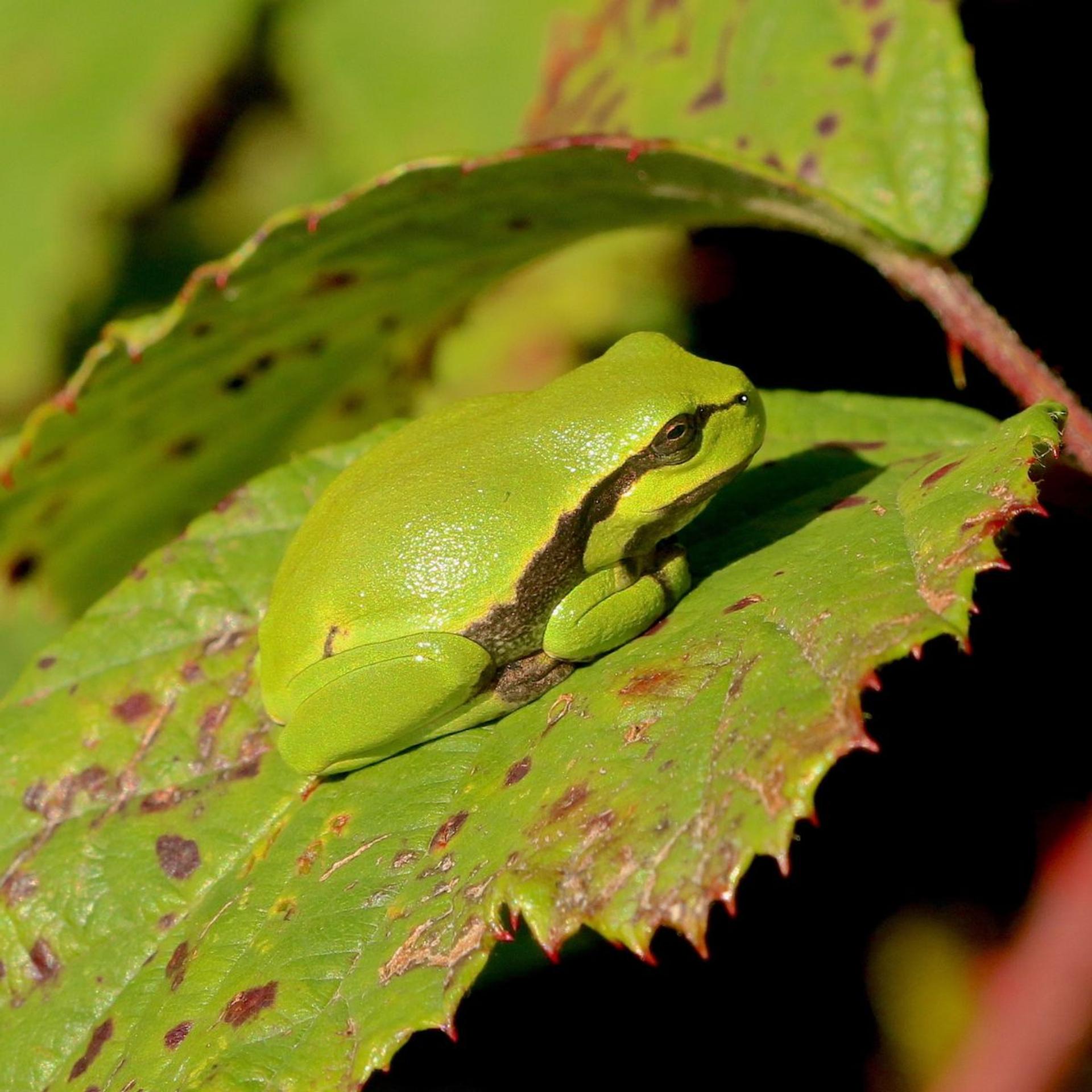
- Fire-bellied toads, tree frogs, moor frogs, and common frogs, which thrive in the warm, moist wetlands
- Sand lizards on the sunny slopes and open grasslands
- Rare plants such as carline thistle, dragon's teeth, fine-leaved vetch, and purple milk-vetch
- Red-listed grassland fungi, including 14 species of waxcaps
One of the most remarkable species in Asnæs is the golden tadpole shrimp, which inhabits temporary ponds and is known from fewer than ten locations in Denmark.
The varied landscape provides strong opportunities to support these species as the area’s former farmland gradually develops into wild nature.
Asnæs Wilderness on the Map

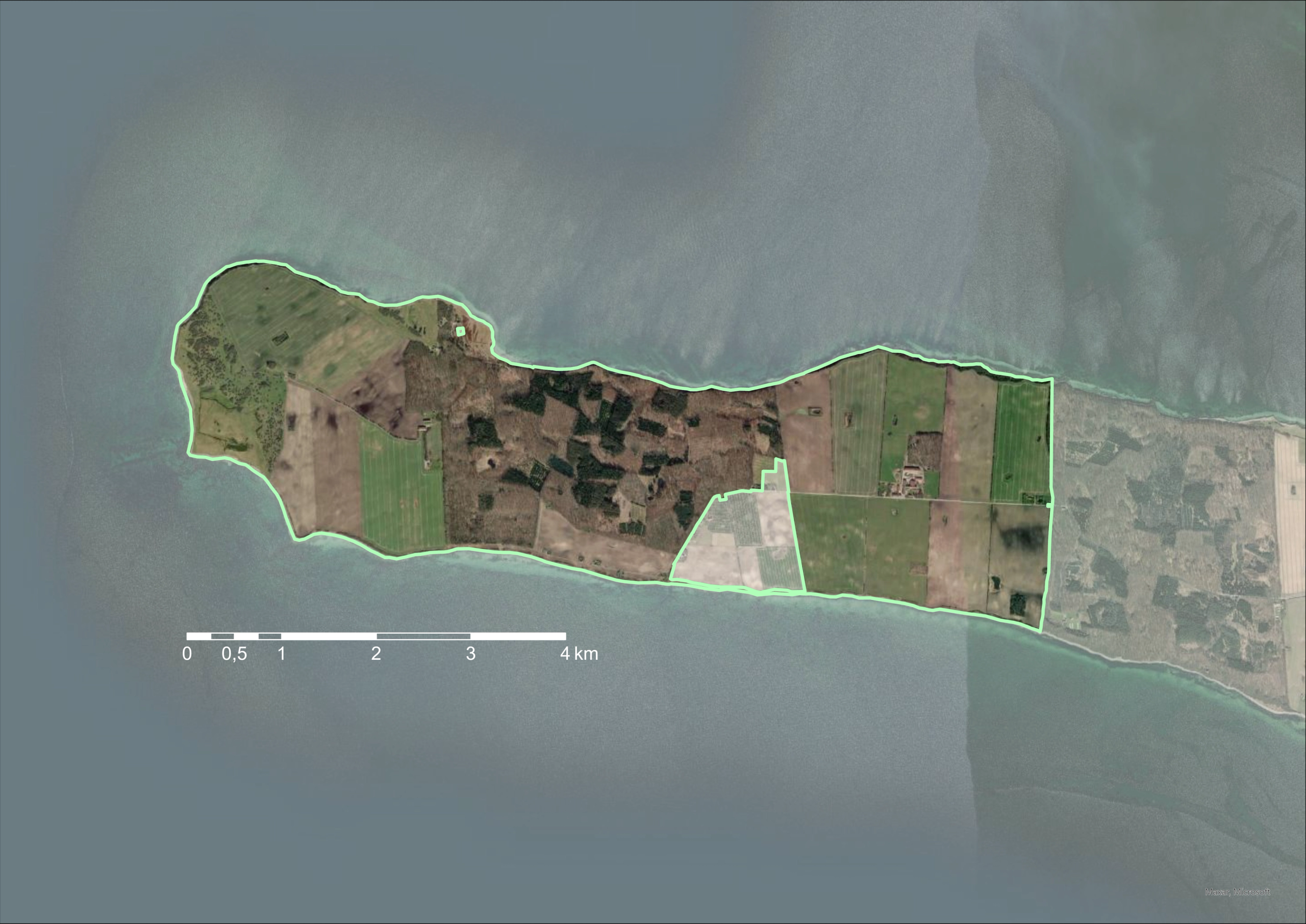
The Hempel Foundation will take over ownership of Asnæs Wilderness on 1 January 2026. Public access is permitted in accordance with the guidelines posted on signs in the area.
Dogs must be kept on a leash out of consideration for the wild animals.
Behind the Wilderness
We aim to restore the natural landscape of Asnæs by allowing forest, grasslands, and new wetlands to develop through natural processes and large herbivores.
For many years, the Asnæs peninsula was managed as organic farmland, and the area offers a unique opportunity to study how agricultural land can best be transformed into nature of high biodiversity value.
Asnæs Wilderness will therefore become a scientific laboratory where, in close collaboration with researchers and students, we will from the outset test new and promising methods for restoring lost species pools, processes, and ecological dynamics.
Asnæs Wilderness will be a place where new insights into farmland conversion can be developed and used to understand how similar landscapes elsewhere in Denmark can most effectively be restored.
Contact Asnæs Wilderness