størrelse
800 hektarAbout Mols laboratory
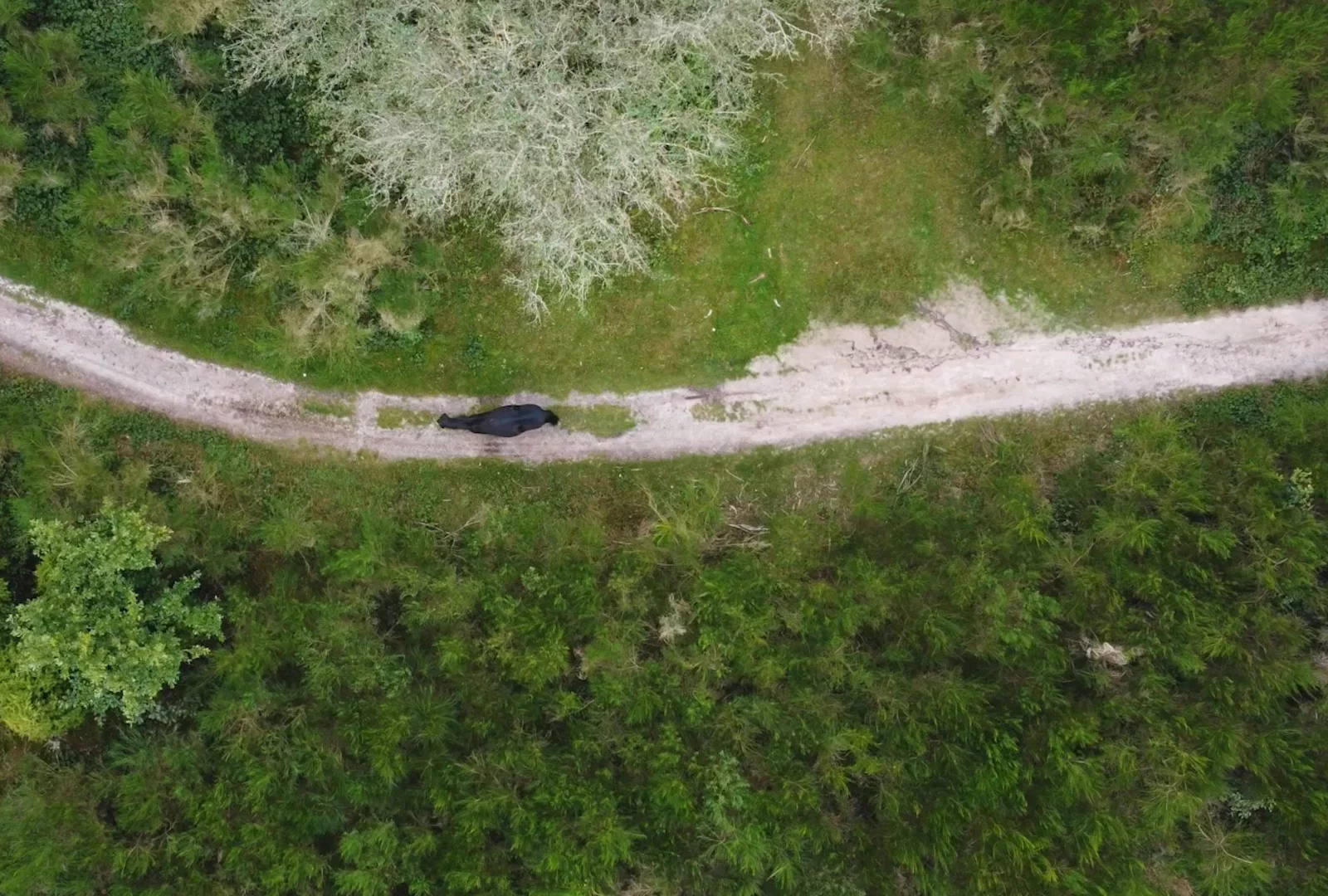
A remarkable glacial landscape in the heart of Mols Bjerge with rolling hills, warm slopes, lush meadows, and a mosaic of habitats shaped by millennia of natural processes.
Mols laboratory is with it’s long tradition of research and education one of the most thoroughly studied nature areas in Denmark — as well as a national hotspot for biodiversity.
Mols laboratory was originally established in 1941 as a natural science field laboratory in Mols Bjerge National Park on the Djursland peninsula. The area covers 147 hectares and offers a varied glacial landscape of grasslands, heath, forest, scrub, lakes, and meadows — a compact landscape with an exceptionally high level of species richness.
Nature and Landscape
Grasslands, forests, and meadows in Mols Bjerge
An Ice Age landscape with many habitat types
The hilly glacial landscape at the Mols Laboratory contains a mosaic of habitats: dry hills with grasslands and heath, forested slopes, scrub, small lakes, and wet meadows. This great variety within a relatively small area creates habitats for an impressive number of species.
More than 4,000 species have been recorded at the Mols Laboratory — equivalent to over 10% of all species observed in Denmark. This makes the area one of the country’s most thoroughly studied and species-rich natural sites relative to its size.
Butterflies and plants on the open grasslands
Here you may encounter nectar-hungry silver-spotted skipper moving between blooming herbs, and the small, hardy flea sedge that thrives in nutrient-poor soils. The open grasslands help maintain a diverse and species-rich landscape.
Reptiles and insects on the sandy slopes
The sandy slopes host emerald-green sand lizards and the spectacular ladybird spiders. The warm, dry microclimate and sparse vegetation create space for species specially adapted to this type of habitat.
Birds and insects in forest and meadow
In the forest, the black woodpecker drums on old trunks, while a range of rare insects depend on both decaying wood and open glades. In the meadows, among devil’s-bit scabious and tower mustard, horse dung and cow pats can, on warm days, reveal the legendary Maid of Kent beetle of other dung-dwelling insects.
The wide variation of habitats and species makes the Mols Laboratory one of Denmark’s most species-rich areas — and a key site for understanding how rewilding can strengthen biodiversity.
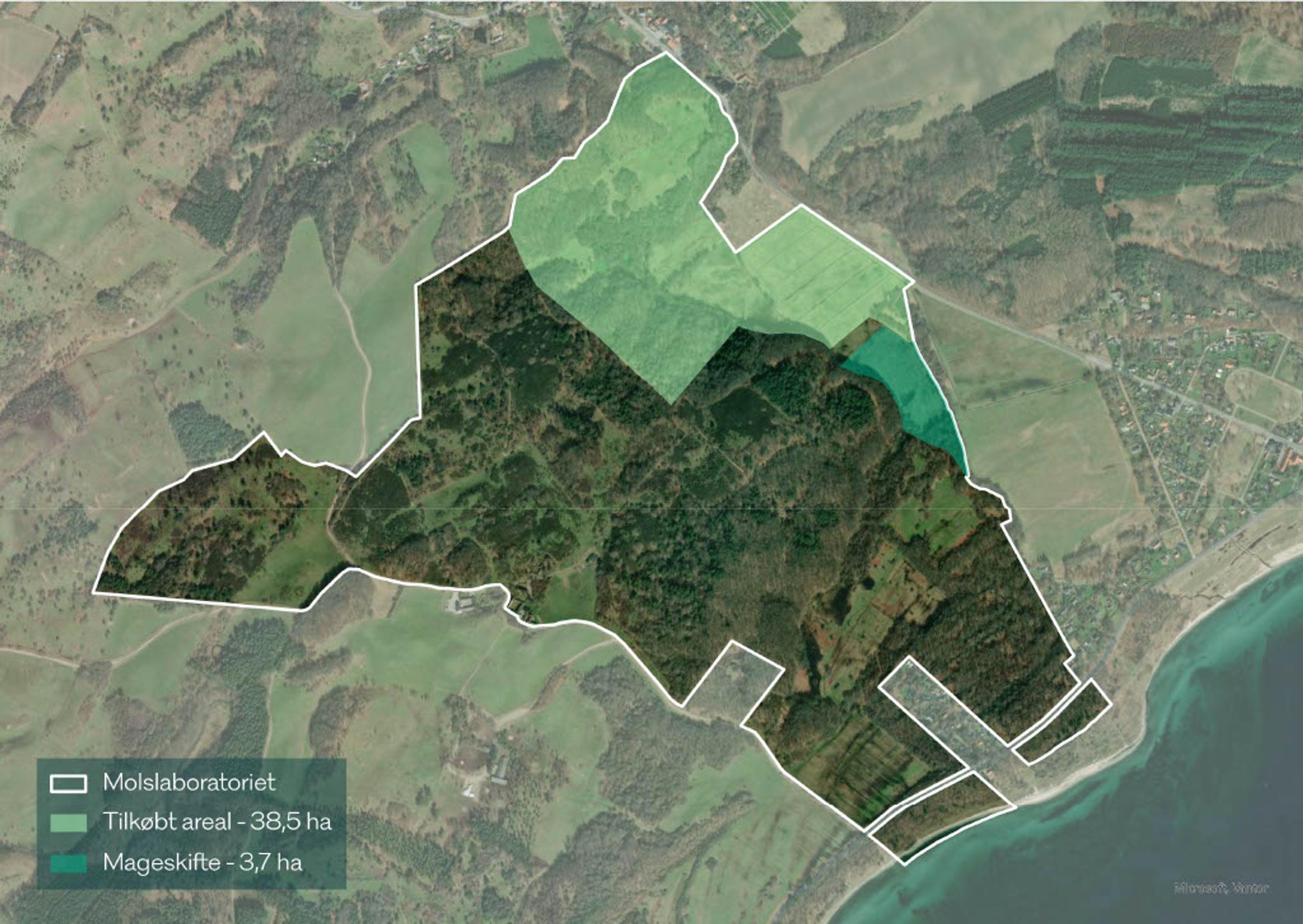
Mols laboratory on the Map

The Hempel Foundation will take over ownership of the Mols Laboratory in the first half of 2026. Public access is permitted in accordance with the guidelines posted on signs in the area. You can read more about access to the Mols Laboratory on the website of the Natural History Museum Aarhus.
Behind the Wilderness
We aim to bring together research, education, and public outreach in a professional hub, with the Mols Laboratory as a foundation for future nature management.
The Mols Laboratory was founded in 1941, when Ellen Dahl donated the area to the Natural History Museum Aarhus and secured its protection. Since then, it has become one of Denmark’s most thoroughly studied natural areas.
In 2016, Rewilding Mols was established, marking a shift from mechanical nature management to an approach focused on key species and natural processes.
The Mols Laboratory will form the physical setting for a new hub for nature restoration, bringing together insights and experience from the four Wildernesses and other nature restoration projects, and sharing this knowledge with stakeholders.
Contact Mols laboratory