6 February 2026
Six Months with Tauros: What We've Learned
Article
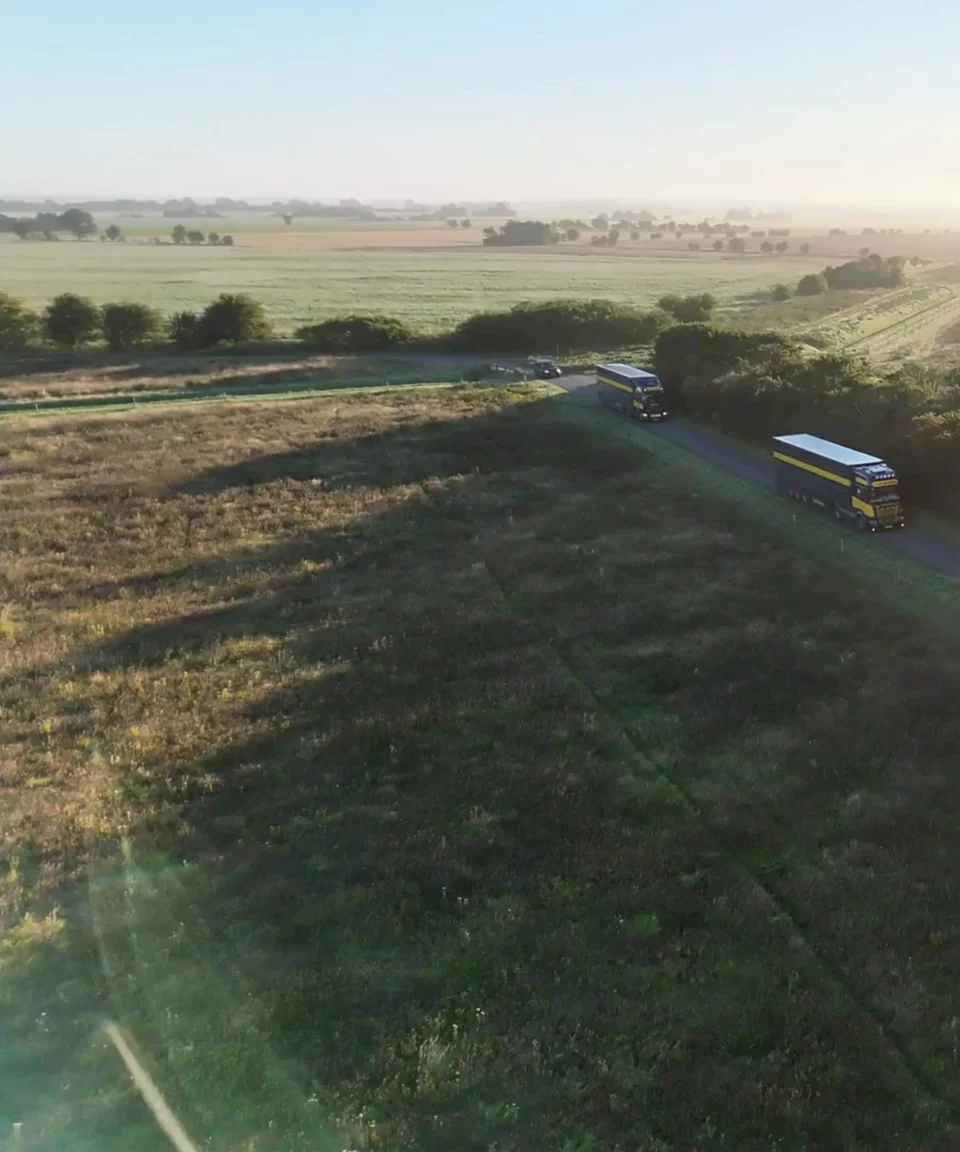
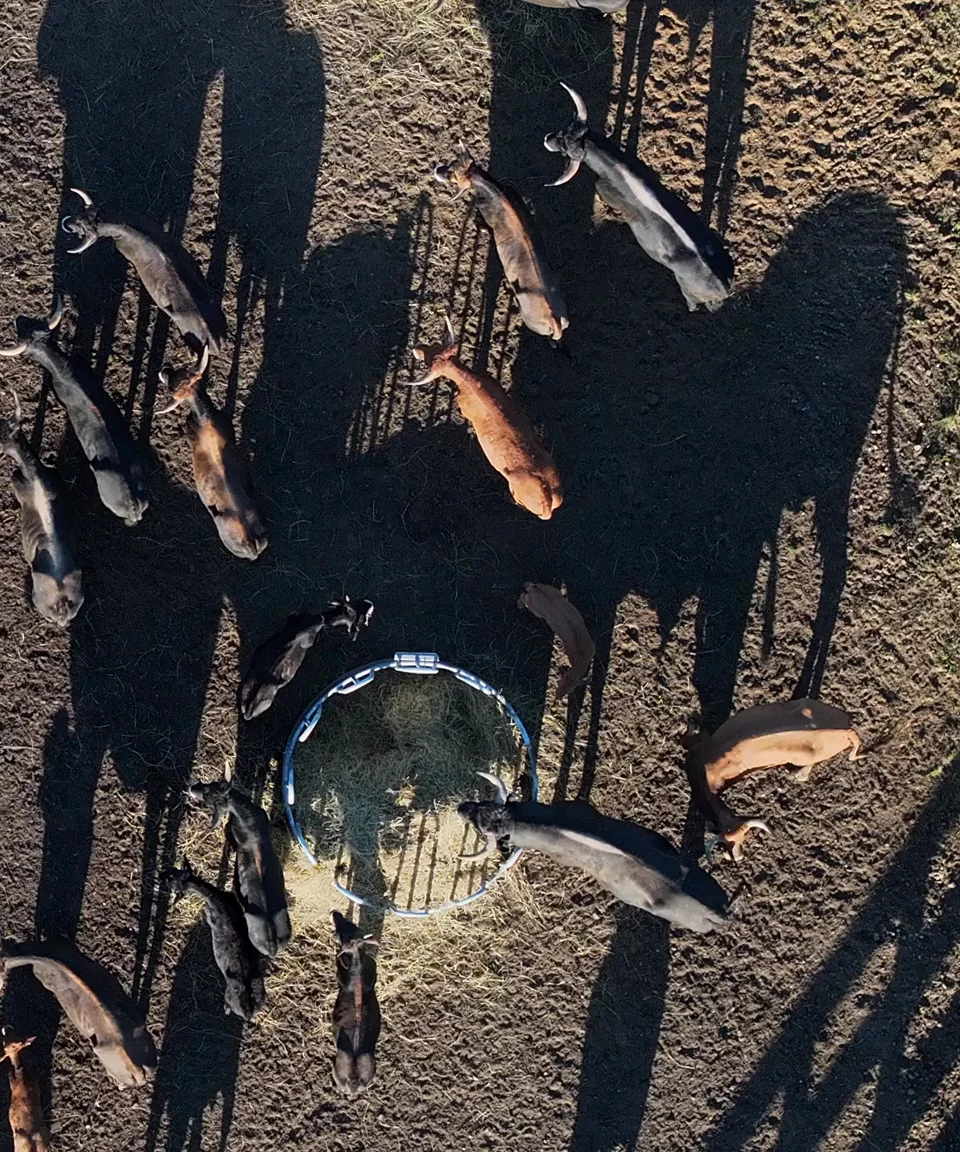
More large grazers have arrived at Saksfjed Wilderness. Forty new Tauros oxen recently arrived on Lolland, bringing the herd to more than 80 animals.
The new oxen come from the Netherlands, where a breeding programme has spent the past 18–20 years developing animals that can fulfil some of the ecological roles once played by the aurochs in Europe’s natural landscapes.
The first Tauros oxen arrived at Saksfjed last year, and calves have since been born there. Now the herd is growing further.
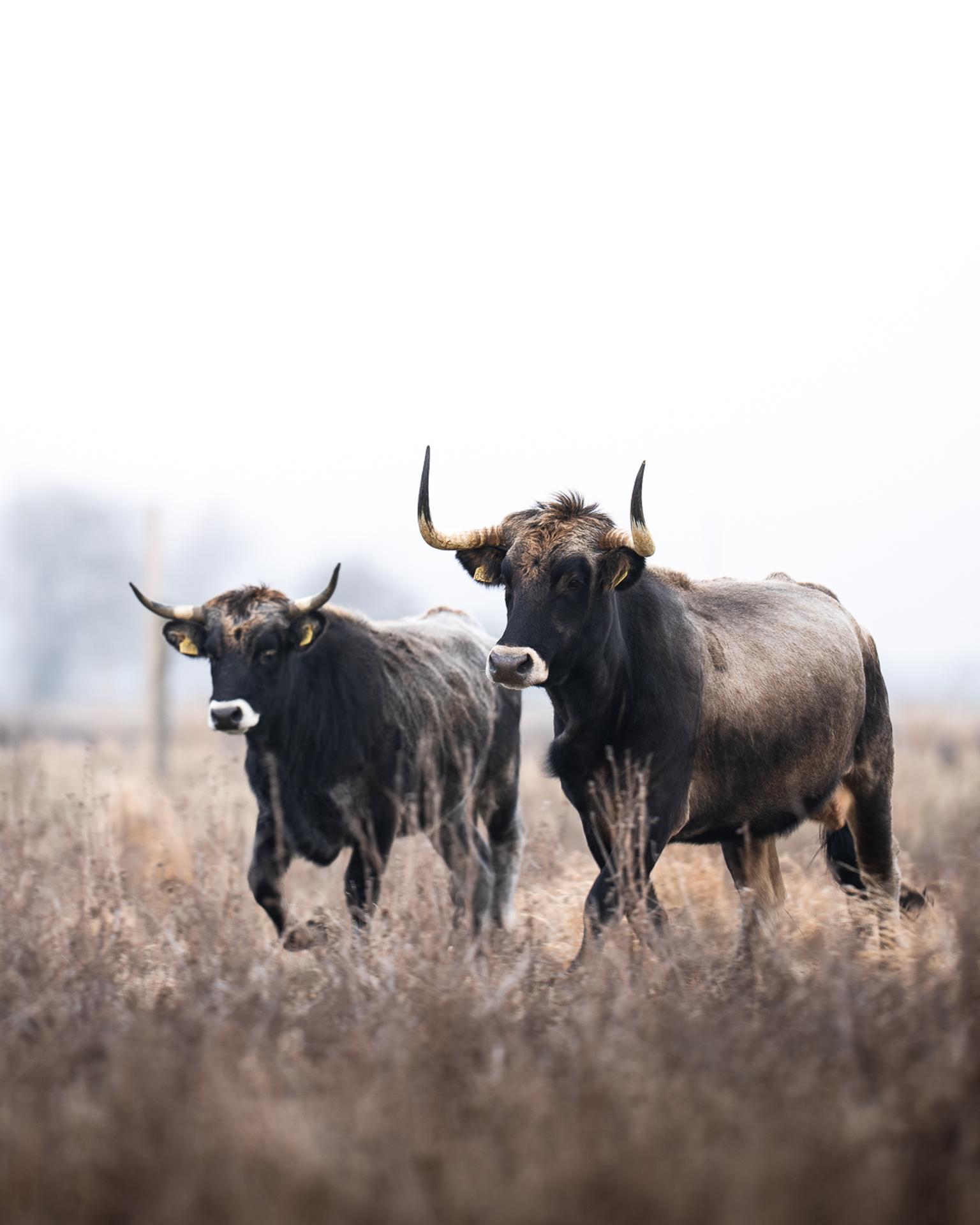
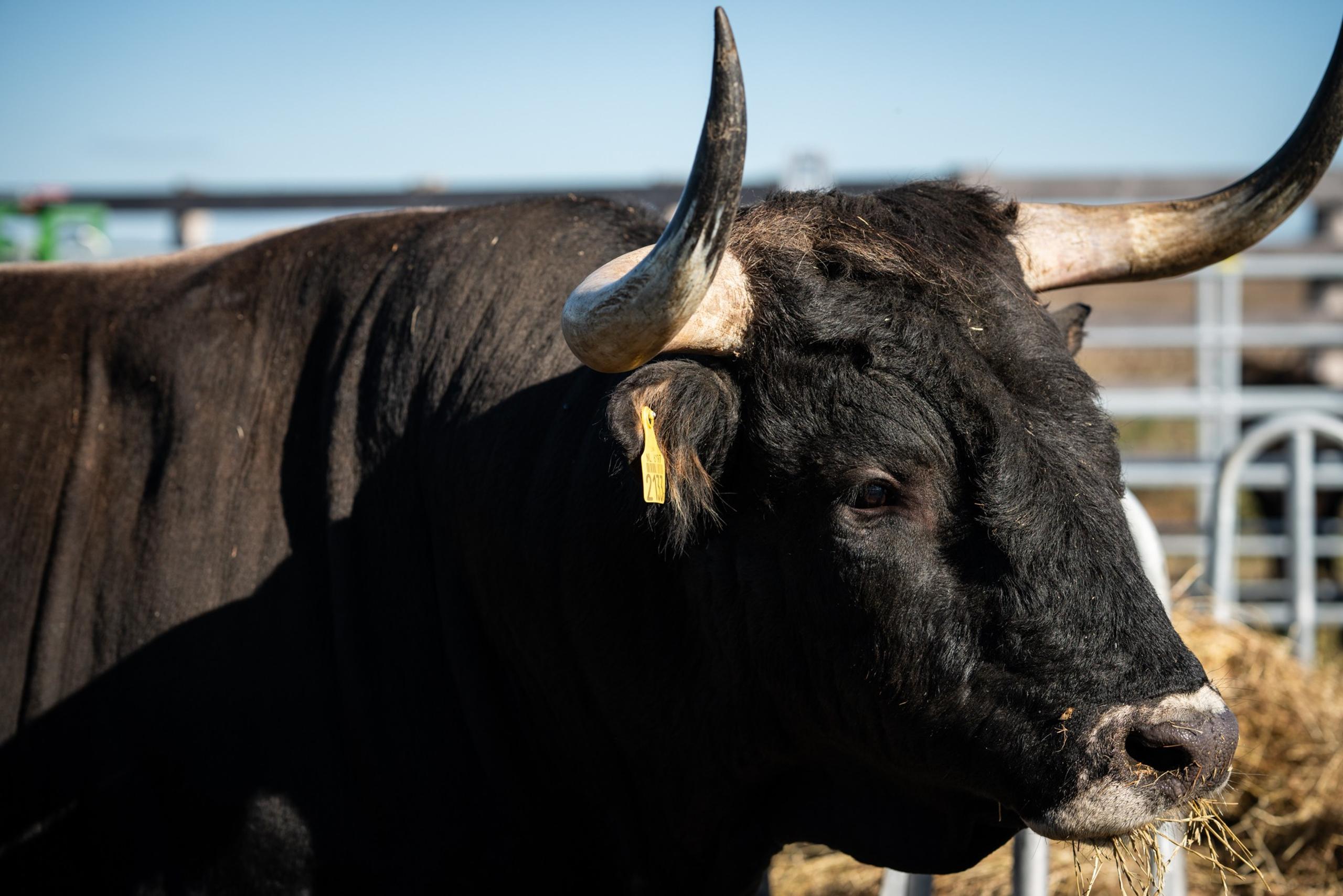
Tauros oxen have been bred to live in the wild and play a greater ecological role than more conventional cattle breeds. Unlike many of the breeds used to manage natural areas, they have not been bred primarily for food production.
Tauros oxen have been bred to live in the wild. They roam widely and eat a varied diet that includes reeds, leaves and thistles. Their size and behaviour also mean they affect the vegetation and landscape differently from more conventional cattle breeds,” says Thor Hjarsen, Head of The Wilderness.
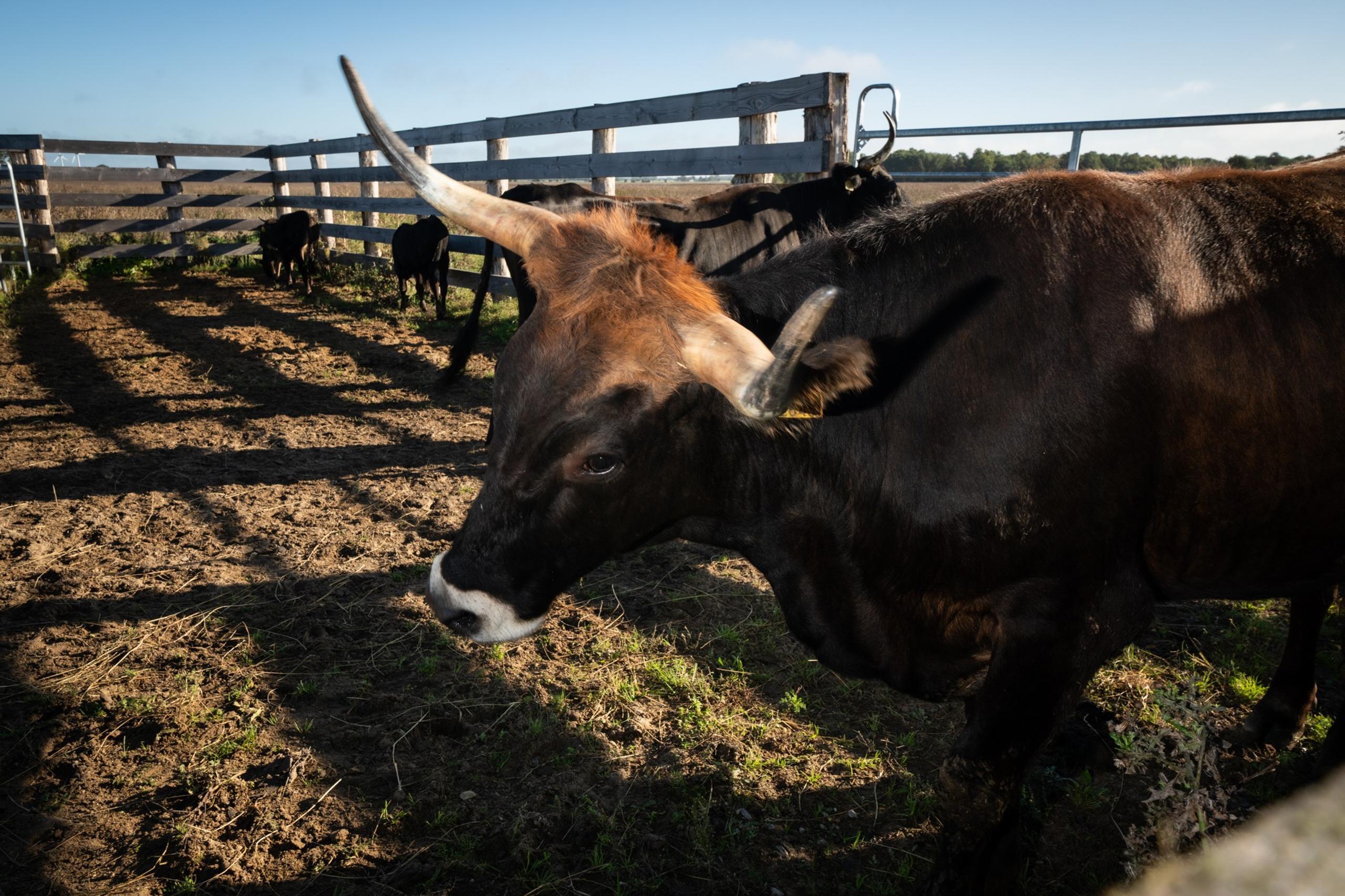
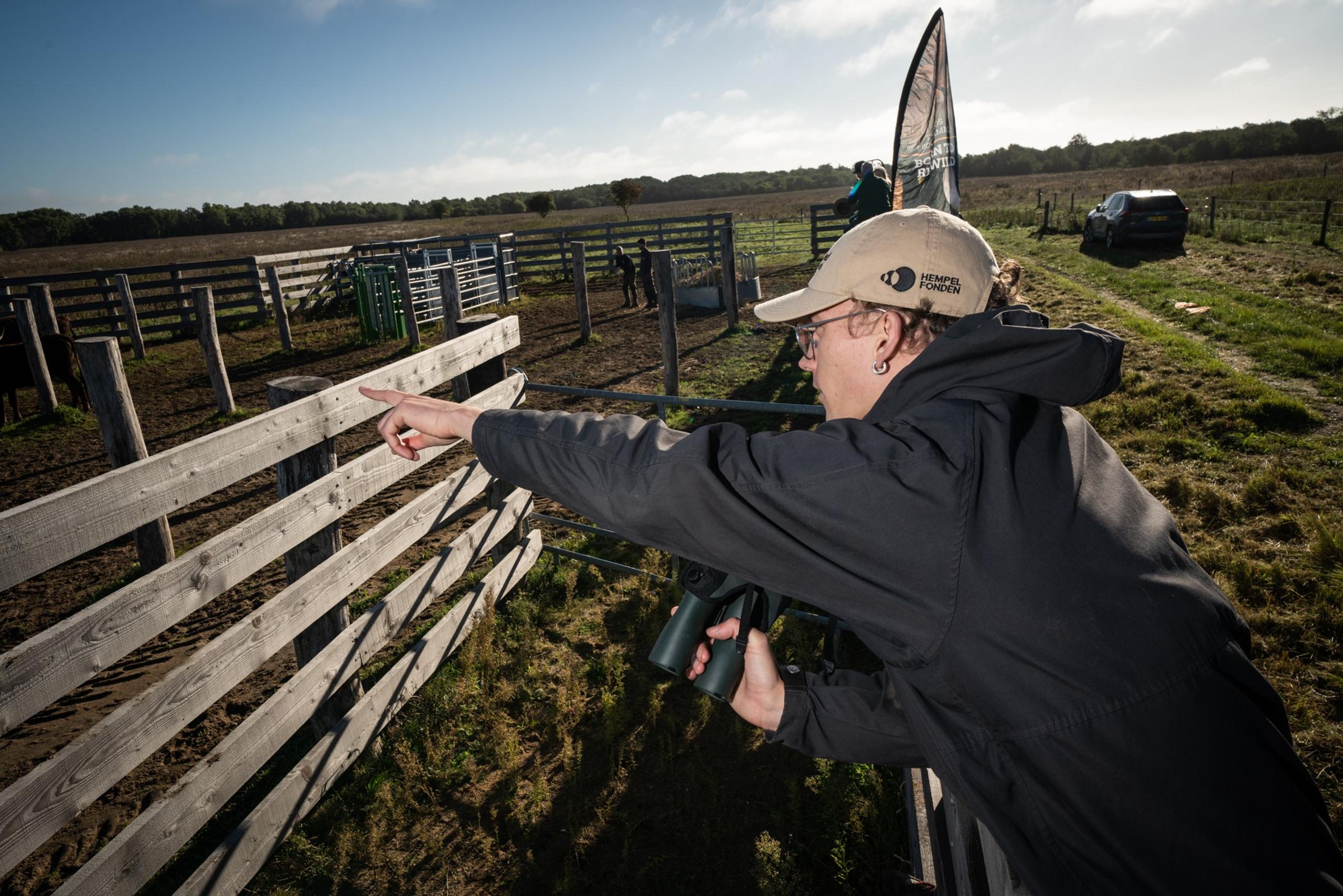
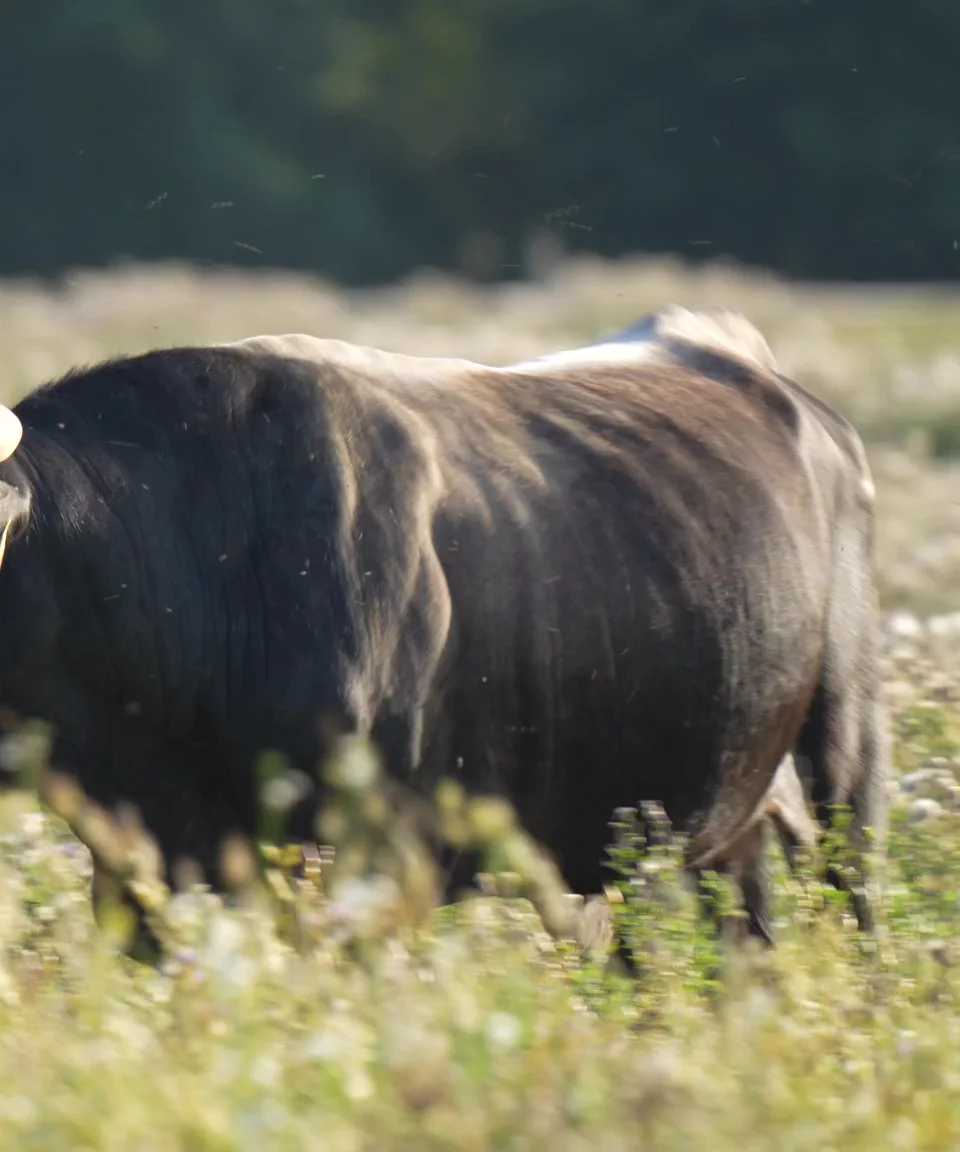
It is the animals’ size and behaviour that make them particularly interesting at Saksfjed. The largest can weigh around 1,500 kilograms, and as they move through the area, they affect the vegetation in different ways.
The Tauros oxen scrape the ground, rub against trees and strip bark. This disturbance to the vegetation can help create habitats for other species and bring greater variety to the landscape.
The oxen also give us an opportunity to study how large grazers affect a Danish natural landscape.
Watch the original herd explore new territory
With the arrival of the new Tauros oxen, the existing herd was moved from the eastern enclosure to the western enclosure at Saksfjed Vildmark. This is the first time the herd has entered this part of the site, and our footage shows the oxen exploring their new surroundings. The move also makes room for the 40 newcomers to be released into the eastern enclosure.
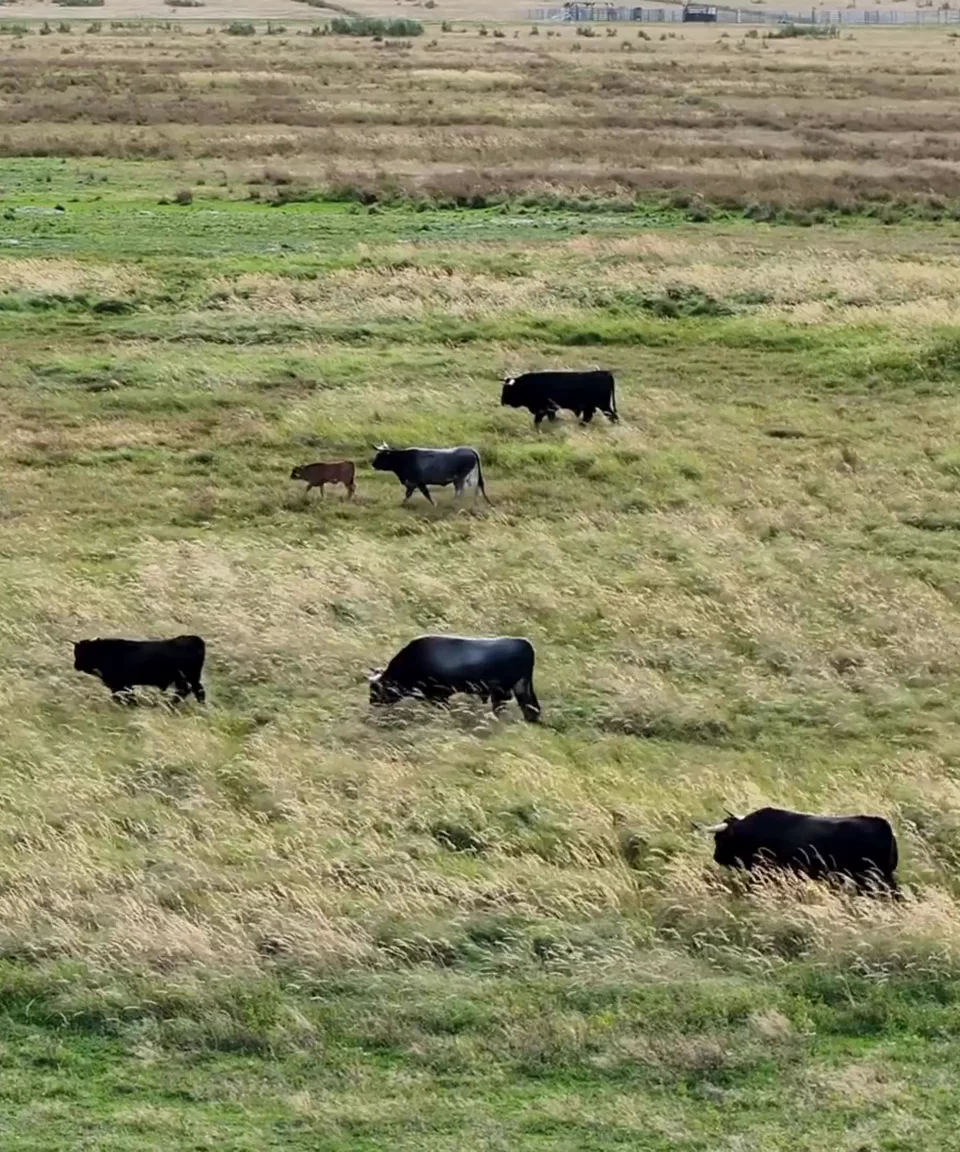
As the herd grows, we can follow the Tauros oxen over time and learn more about how they live and shape a Danish natural landscape.
This includes where they roam, what they eat and how they affect the vegetation. The aim is to gather evidence and practical experience that can be shared with others working with large grazers and nature management.
“We can follow and study these animals over time. That gives us an opportunity to learn how they live and shape a Danish natural landscape, and we want to share what we learn with others. We know there is interest in using large grazers elsewhere in Denmark,” says Thor Hjarsen, Head of The Wilderness.
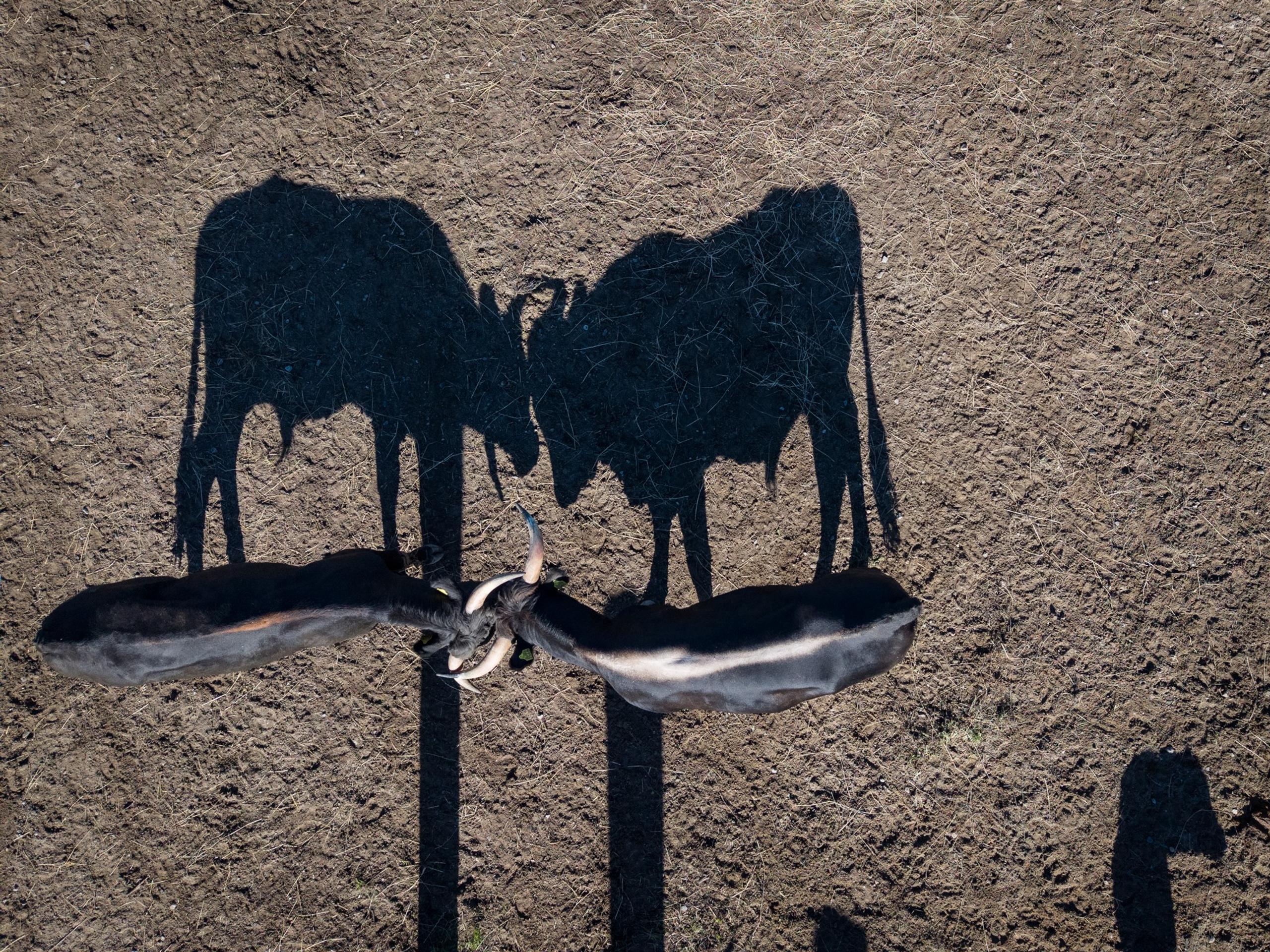
In the coming years, Denmark will need more space for nature, and that will mean a greater need for large grazers. We hope the experience gained at Saksfjed will be useful for other natural areas.
With the new arrivals, Saksfjed is now home to around a tenth of the world’s Tauros oxen. This gives us a valuable opportunity to study them and explore how what we learn could be applied elsewhere.
The 40 newcomers are therefore more than an addition to the herd at Saksfjed. They are also part of our efforts to better understand how large grazers can help shape nature.